 Residential mental health
Reach out
Call or email admissions to ask questions and learn about the program.
Admissions & payment
You do not need to have every answer before reaching out. Start with a conversation about the program, the assessment process, and the practical questions on your mind.

Four steps to getting started
Call or email admissions to ask questions and learn about the program.
Discuss the support being sought and receive guidance on whether to proceed to assessment.
A clinical assessment helps determine whether the program is appropriate for the person’s needs.
If accepted, plan admission and receive guidance on the next steps.
Payment & insurance
Understanding the financial details is part of preparing for residential treatment. Contact admissions for current arrangements and an explanation of costs before making a decision.
Ask for the current rate, how charges are calculated, when payment is due, and a written explanation of the payment terms. Length of stay is individualized, so ask how a change in the treatment plan or stay could affect the total cost.
Clarify which services and residential expenses are included and which may be billed separately. Questions may include therapy, psychiatric appointments, meals, prescriptions, transportation, and services from outside providers.
Before relying on insurance, confirm whether Blueberry Way can work with your particular plan and whether the residential services being considered are covered. Ask both admissions and your insurer about the applicable benefits.
Important questions include network status, prior authorization, eligibility, benefit limits, and whether a deductible, copayment, or coinsurance may apply. A benefits check or authorization does not guarantee that a claim will be paid.
Ask what you may owe yourself, what happens if coverage changes or ends, and whether any deposit, cancellation, or refund terms apply. Request written clarification of any estimate and its assumptions.
If you need another payment arrangement, ask what is currently available. No financing, installment plan, scholarship, or particular insurer participation is promised on this website.
You can begin with general questions about payment and the admission process. Do not send insurance cards, member numbers, financial documents, or medical records through an initial website inquiry or ordinary email.
Admissions can explain the appropriate way to provide information needed for an individual review. Payment discussions do not replace the clinical assessment required for admission.
Current rates, insurer participation, coverage, and payment terms must be confirmed for your individual circumstances. No coverage, reimbursement, or admission is guaranteed.
Before the conversation
There is no need to send detailed medical information in an initial website inquiry or email.
Admissions can explain the appropriate process for sharing any clinical information needed for assessment.
A few helpful answers
Medically stable adults aged 18 and older, including men and women, who can participate in daily residential life and therapeutic programs. Clinical assessment determines suitability.
Length of stay is individualized according to needs, treatment goals, and clinical recommendations. No fixed maximum is advertised.
Yes. Prospective residents, families, and referring professionals are welcome to contact admissions with questions.
A history of substance use does not automatically exclude someone. Residents must be medically stable and must not require detoxification or acute substance-use treatment. The primary program focus is mental health.
No. The program does not provide acute psychiatric hospitalization, intensive medical supervision, detoxification, or emergency services. For immediate danger or a medical emergency, call 911.
From first contact to assessment
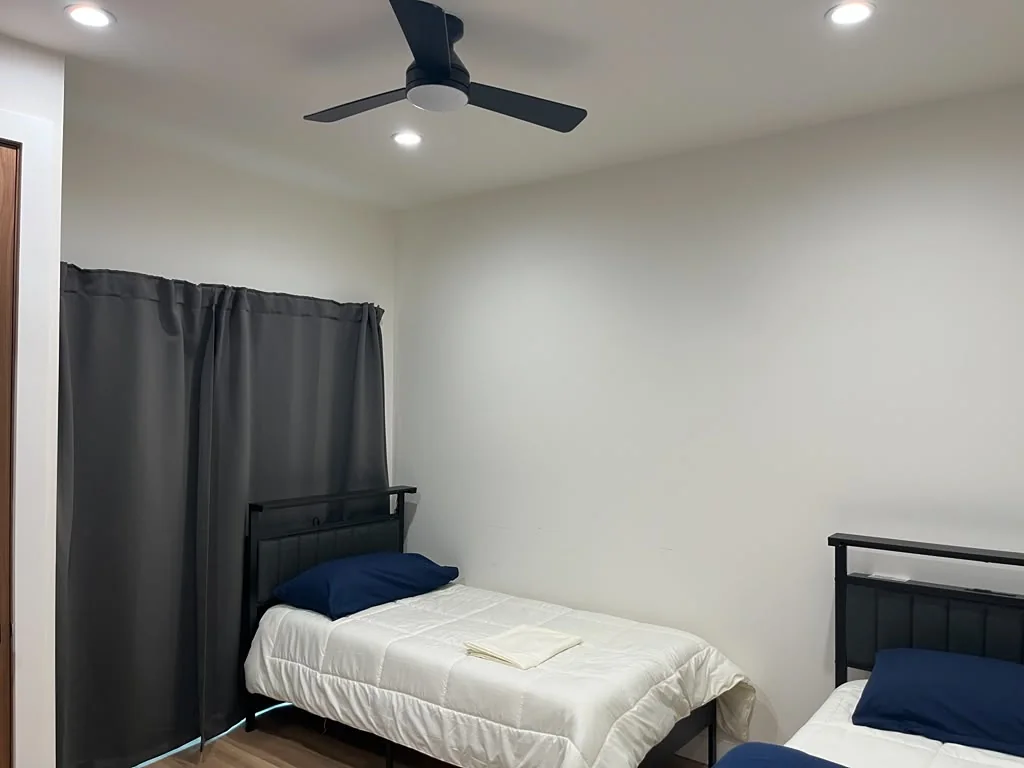
Initial contact is a chance to ask about Blueberry Way’s adult residential mental health program. You can reach out for yourself, a loved one, or a professional referral.
You can begin with the kind of support being sought, questions about the living environment, and practical matters you would like clarified. Admissions can explain whether to proceed to clinical assessment and how any necessary information should be shared.
Assessment helps determine whether the program is an appropriate setting for the individual. Residents must be medically stable and capable of participating in daily residential life and therapeutic programming.
The diagnosis being discussed is only part of the picture. Current needs and the level of support required also matter. An inquiry or preliminary conversation does not by itself confirm acceptance.
If accepted, the next step is admission coordination. This is the point to clarify arrival arrangements and ask practical questions about what to bring, meals, medication assistance, and residential participation.
Discuss any specific practical needs before making arrival plans. Ask about current room arrangements and the daily program rather than assuming availability or a fixed timetable from the photographs.
Residents remain on-site throughout treatment. Length of stay is individualized according to needs, treatment goals, and clinical recommendations.
No fixed duration is promised for every person. Admissions can explain the current assessment and coordination process, including questions about payment arrangements and any applicable costs.
For families & referring professionals
A family member or referring professional may contact admissions to understand the program and the process. You can ask about suitability, the residential environment, and what steps follow an initial inquiry.
Ask admissions how families can stay informed and about current therapy, visiting, and communication arrangements.
Find answers before you reach out.
Browse all FAQsYour next step
Ask questions, understand the program, and explore whether Blueberry Way may be an appropriate fit.